
Introduction
In today’s fast-changing world, continuous learning is no longer optional it’s essential. Whether you are a student, a professional, or someone looking to switch careers, online courses provide a flexible and accessible way to gain new skills and stay competitive.
With thousands of courses available across different platforms, it has never been easier to learn from anywhere at any time. From business and technology to creative skills and personal development, online education offers something for everyone. The key is knowing which courses to choose and how to make the most of them.
Why Online Learning Is More Popular Than Ever
Online learning has transformed the way people acquire knowledge. Traditional education often requires fixed schedules and physical presence, but online courses offer flexibility and convenience. You can learn at your own pace, revisit lessons, and balance education with other responsibilities.
Another reason for its popularity is accessibility. Anyone with an internet connection can access high-quality educational content from top instructors and institutions. This opens up opportunities for people around the world to improve their skills and advance their careers.
Top Categories of Online Courses
When choosing an online course, it’s important to focus on areas that align with your goals. Here are some of the most popular and valuable categories:
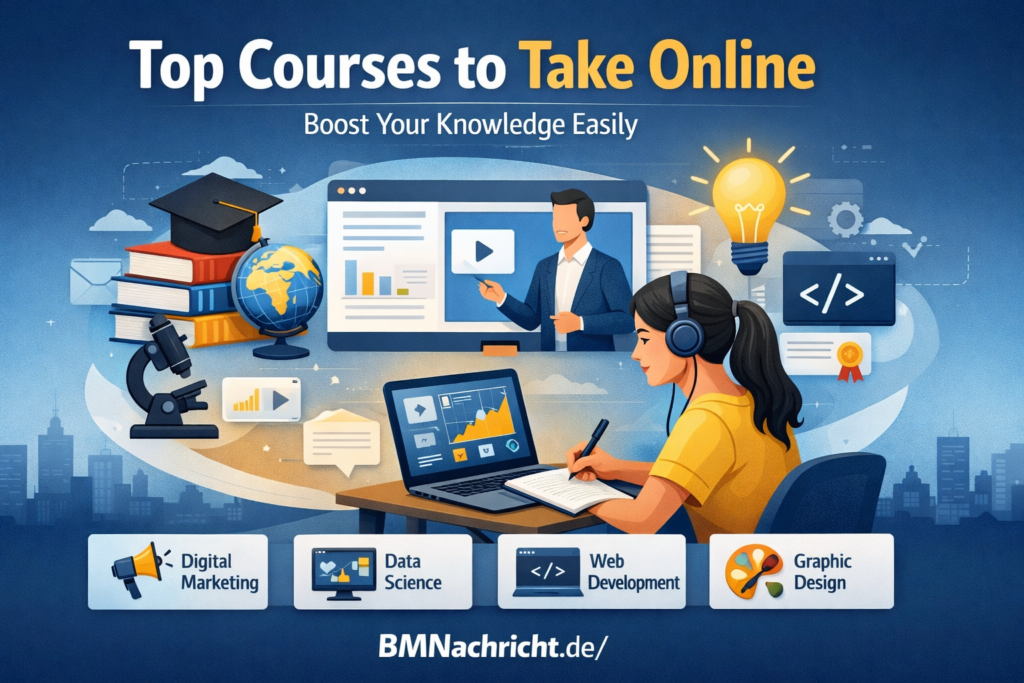
1. Technology and Programming
Courses in coding, data analysis, and software development are in high demand. These skills are essential for many modern careers and offer strong job opportunities.
2. Business and Marketing
Learning about digital marketing, entrepreneurship, and management can help you grow a business or advance in your career.
3. Creative Skills
Design, video editing, and content creation courses are ideal for those who want to express their creativity or build a personal brand.
4. Personal Development
Courses on productivity, communication, and leadership can improve both your personal and professional life.
Enhancing Learning with Practical Tools
Learning is most effective when it combines theory with practice. Many courses now include hands-on projects that help you apply what you’ve learned.
For example, if you are studying data or presentations, using a pie chart maker can help you visualize information clearly. It allows you to create clean and professional charts, making it easier to understand and present data.
Using practical tools alongside courses helps reinforce your learning and build real-world skills.
How to Choose the Right Course
With so many options available, choosing the right course can feel overwhelming. Start by identifying your goals. Are you looking to gain a new skill, improve your current knowledge, or switch careers?
Check the course content, instructor experience, and reviews before enrolling. A well-structured course with practical exercises is more valuable than one that focuses only on theory.
It’s also important to consider the level of the course. Beginners should start with foundational courses, while more experienced learners can choose advanced topics.
Benefits of Taking Online Courses
Online courses offer several advantages that make them an excellent choice for learners.
First, they provide flexibility. You can learn anytime and anywhere, making it easier to balance education with work or other commitments.
Second, they are often more affordable than traditional education. Many platforms offer free or low-cost courses with high-quality content.
Third, they allow you to learn at your own pace. You can revisit lessons and take your time to fully understand the material.
Finally, online courses help you stay updated with industry trends, which is essential in a rapidly changing world.
Tips for Effective Online Learning
To get the most out of online courses, it’s important to stay disciplined and organized. Set a schedule and dedicate specific time for learning.
Take notes and actively engage with the material. This helps improve retention and understanding.
Practice regularly. Applying what you learn is key to mastering new skills.
Finally, stay consistent. Even small daily progress can lead to significant results over time.
Common Mistakes to Avoid
One common mistake is enrolling in too many courses at once. This can lead to overwhelm and lack of focus. It’s better to complete one course at a time.
Another mistake is not applying what you learn. Without practice, it’s difficult to retain knowledge and develop skills.
Procrastination is also a challenge. Without a structured environment, it’s easy to delay learning. Setting clear goals can help overcome this.
Conclusion
Online courses have made learning more accessible, flexible, and effective than ever before. By choosing the right courses and using practical tools, you can boost your knowledge and develop valuable skills.
Whether you want to advance your career, start something new, or simply learn for personal growth, online education offers endless opportunities. With the right approach and consistent effort, you can achieve your goals and stay ahead in today’s competitive world.